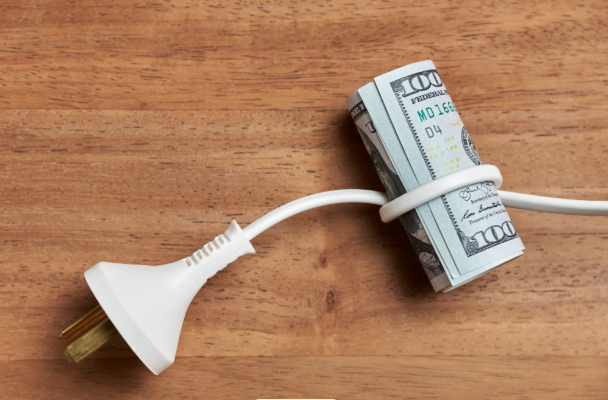
How to Reduce Energy Bills During Summer Heat

Summer in Central Jersey often brings high temperatures, humidity, and increased energy use. While your air conditioner works hard to keep your home comfortable, it can also become one of the biggest contributors to your monthly utility bill. The good news is that lowering your energy costs doesn’t always require major home upgrades. A few simple adjustments to your cooling habits, HVAC system, and home can help improve efficiency and reduce unnecessary energy consumption. Here are some practical ways to stay comfortable while keeping your summer energy bills under control.

Schedule Preventive AC Maintenance

Your air conditioner cannot operate efficiently if it is dirty, worn, or overdue for service. Even minor issues can force the system to work harder than necessary, increasing energy consumption throughout the summer. Regular maintenance helps ensure your equipment operates as efficiently as possible.

  • Clean Components: Dirty coils and clogged filters can restrict airflow and reduce efficiency.
  • Improved Performance: Properly adjusted systems cool your home more effectively.
  • Reduced Energy Usage: Well-maintained equipment typically consumes less electricity.
  • Early Problem Detection: Small issues can often be identified before they become costly repairs.
  • Longer Equipment Life: Routine service helps reduce strain on critical components.

Replace Air Filters Regularly

One of the simplest ways to improve HVAC efficiency is to replace your air filter on a regular schedule. A clogged filter restricts airflow, forcing your air conditioner to work harder to circulate cool air throughout your home. Depending on your household and filter type, replacement may be needed every one to three months.

  • Better Airflow: Clean filters allow conditioned air to move more freely.
  • Lower Energy Demand: Reduced system strain can improve efficiency.
  • Improved Indoor Air Quality: Filters help capture dust, pollen, and other airborne particles.
  • Enhanced Comfort: Consistent airflow supports more even cooling.

Adjust Your Thermostat Settings

Small thermostat adjustments can make a noticeable difference in your monthly utility costs. While every household has different comfort preferences, increasing the temperature a few degrees when you’re away from home can help reduce cooling expenses without significantly affecting comfort.

  • Programmable Schedules: Automatically adjust temperatures throughout the day.
  • Reduced Runtime: Higher settings require less cooling output.
  • Consistent Operation: Avoiding frequent temperature changes can improve efficiency.
  • Smart Technology Benefits: Smart thermostats provide greater control and energy-saving features.

Improve Your Home’s Insulation

Your air conditioner may be working overtime because cooled air is escaping through poorly insulated areas of your home. Proper insulation helps maintain indoor temperatures and reduces the workload placed on your cooling system.

  • Reduced Heat Transfer: Insulation helps keep hot outdoor air from entering your home.
  • Improved Comfort: More stable indoor temperatures reduce temperature fluctuations.
  • Lower Cooling Costs: Less energy is required to maintain desired temperatures.
  • Year-Round Benefits: Insulation can also improve winter heating efficiency.

Use Ceiling Fans to Support Cooling

Ceiling fans do not lower the temperature in a room, but they can make occupants feel cooler by improving air circulation. This allows many homeowners to increase thermostat settings without sacrificing comfort.

  • Enhanced Air Movement: Improved circulation helps distribute cool air more effectively.
  • Reduced AC Usage: Higher thermostat settings may become more comfortable.
  • Lower Energy Consumption: Fans use significantly less electricity than air conditioners.
  • Improved Comfort: Better airflow helps reduce stuffiness during humid weather.

Limit Heat Gain Inside Your Home

Many common household activities generate heat that can increase cooling demands. Reducing indoor heat sources can help your air conditioner maintain comfortable temperatures more efficiently.

  • Close Blinds and Curtains: Blocking sunlight helps reduce heat entering through windows.
  • Use Exhaust Fans: Kitchen and bathroom fans help remove heat and humidity.
  • Avoid Peak Heat Cooking: Outdoor grilling or slow cookers can reduce indoor heat buildup.
  • Switch to LED Lighting: LED bulbs generate less heat than traditional incandescent options.
  • Run Appliances Strategically: Laundry and dishwashing during cooler hours can help reduce heat gain.

Consider Upgrading an Older Air Conditioner

If your cooling system is more than 10 to 15 years old, it may be operating far less efficiently than modern equipment. Even with proper maintenance, older systems often consume more energy while providing less effective cooling. A high-efficiency upgrade can deliver substantial long-term savings.

  • Advanced Efficiency Ratings: New systems use less energy while providing better cooling.
  • Improved Comfort Features: Modern equipment offers enhanced temperature and humidity control.
  • Reduced Repair Costs: New systems generally require fewer service calls.
  • Quieter Operation: Updated technology often produces less noise.
  • Long-Term Energy Savings: Lower operating costs can offset installation expenses over time.

Older systems often consume far more energy than modern equipment. When repair costs continue to rise, investing in a new air conditioner installation can be a more cost-effective long-term solution. 

Pay Attention to Warning Signs

An inefficient air conditioner often provides early warning signs before major problems develop. Addressing these issues promptly can help prevent rising utility bills and unexpected breakdowns. Watch for signs such as:

  • Weak Airflow: Reduced airflow may indicate system restrictions.
  • Uneven Cooling: Hot and cold spots can signal performance issues.
  • Frequent Cycling: Excessive on-and-off operation often reduces efficiency.
  • Rising Utility Bills: Increased costs without higher usage may indicate a problem.
  • Unusual Noises: Mechanical issues can affect both performance and efficiency.

Start Saving on Summer Energy Costs Today

Reducing your summer energy bills doesn’t have to mean sacrificing comfort. Simple steps such as replacing filters, improving insulation, adjusting thermostat settings, and maintaining your cooling system can make a significant difference in both efficiency and operating costs.

If your air conditioner isn’t performing as efficiently as it should, Total Energy Service can help. Whether you need expert diagnostics, cooling system repairs, or guidance on upgrading to a more efficient unit, our team has been helping Central New Jersey homeowners stay comfortable since 1977. Contact us today to schedule service and start lowering your summer energy costs.

Previous ArticleHow Preventative HVAC Maintenance Helps You Save Money